Paying a credit card bill early: What you need to know

Paying your credit card bill early can help you reduce your credit utilization ratio and avoid late fees and can positively impact your credit scores. If you carry a balance, paying your bill early can also reduce the amount of interest you accrue.
What you’ll learn:
-
Paying your credit card bill early means making one or more payments before the due date each month.
-
You may be able to lower your credit utilization ratio by making an extra payment or paying before the statement closing date. This could positively impact your credit scores.
-
Paying your credit card bill on time and in full can help you avoid interest charges on purchases and late fees.
What it means to pay your credit card bill early
A credit card payment is considered on time if you make it by the due date. It’s early if you:
-
Make your monthly payment after the card’s billing cycle ends but before the payment due date. This period is known as the grace period.
-
Make a payment before your billing cycle ends.
To find when your billing cycle ends, contact the credit card company or review your credit card statement. The end of the billing cycle is also known as the statement closing date.
Benefits of paying your credit card bill early
Here are a few benefits to consider about making an early or extra credit card payment.
It could help improve your credit scores
Making a payment—whether it’s before your billing cycle ends or not—could reduce the balance amount the card issuer reports to the credit bureaus.
That means your credit utilization ratio could be lower, which is good for your credit scores. The Consumer Financial Protection Bureau (CFPB) recommends keeping your credit utilization ratio below 30% of your available credit.
It may help you reduce interest charges
If you pay off your credit card bill in full before the due date, you generally won’t be charged interest. If you can’t pay off your statement, the CFPB still recommends paying as much as possible: “The higher the balance you carry from month to month, the more interest you pay.”
If you carry a balance, most credit card interest compounds and is calculated daily. Paying early to reduce the balance will typically reduce the amount of interest that accrues for the rest of the month.
It could help you avoid late fees
Making your minimum payment during the grace period means you won’t incur a late payment fee.
To help with this, you can schedule credit card payments in advance, set up automatic payments or set a reminder on your phone. Your credit card issuer may also offer mobile solutions to help you pay on time or even early.
Keep in mind that if you carry over a balance from the previous month, any payment you make before your statement’s due date is applied to that prior balance. This means that if you still owe on any previous charges, you’ll also need to make at least the minimum payment before the due date on your new bill.
Drawbacks of paying your credit card bill early
Paying your credit card bill early may not be the right choice for everyone. It’s worth considering your broader finances for potential downsides.
It might reduce your available cash for the month
Paying your credit card bill early won’t hurt your credit scores. But it might reduce the amount of cash you have on hand for everyday purchases or emergencies.
You might not save on interest immediately
If you’re using a credit card with a promotional 0% APR, keep in mind that you won’t be charged interest on your credit card balance until the promotional period ends. But it’s still important to make the minimum payment by the due date. You may not be charged interest, but late or missed payments can result in late fees and higher penalty interest rates. It could also have a negative impact on your credit scores.

Paying a credit card bill early FAQ
Check out these answers to frequently asked questions about paying credit card bills early.
Should I pay my credit card bill early?
Paying your credit card bill early can indirectly improve your credit score by lowering your credit utilization, help you avoid late fees and reduce the interest you’ll owe if you carry a balance. But if you don’t have enough cash on hand or if you have a promotional interest rate on your credit card, it may not be worth it.
Do I get points if I pay my credit card bill early?
Points, cash back or miles are types of credit card rewards that cardholders earn when they make purchases, not when they pay their credit card bill.
What happens if I pay my credit card bill before an automatic scheduled payment?
If you set up AutoPay with Capital One, any early or extra payments you make won’t cancel your scheduled payments. Depending on the way you set up AutoPay, it could affect the amount, though.
Can I pay my credit card bill multiple times before the due date?
You can pay down your credit card balance as often as it makes sense for you. If you do it before the due date, you can avoid late fees and reduce or eliminate interest charges if your payment adds up to at least the minimum payment due.
Key takeaways: Paying a credit card bill early
There are potential benefits to paying your credit card bill early. Do your goals include working toward saving money, having more available credit and boosting your credit scores? If so, you could consider making early payments on your credit card bill.
If you’re new to credit or searching for your next credit card, Capital One can help.
-
See if you’ll be approved for a Capital One credit card with 100% certainty—without harming your credit scores.
-
If you’re looking to build your credit with responsible use, explore cards for people with fair credit.
-
Earn unlimited 1.5% cash back on every purchase, every day, with a cash back rewards card.
-
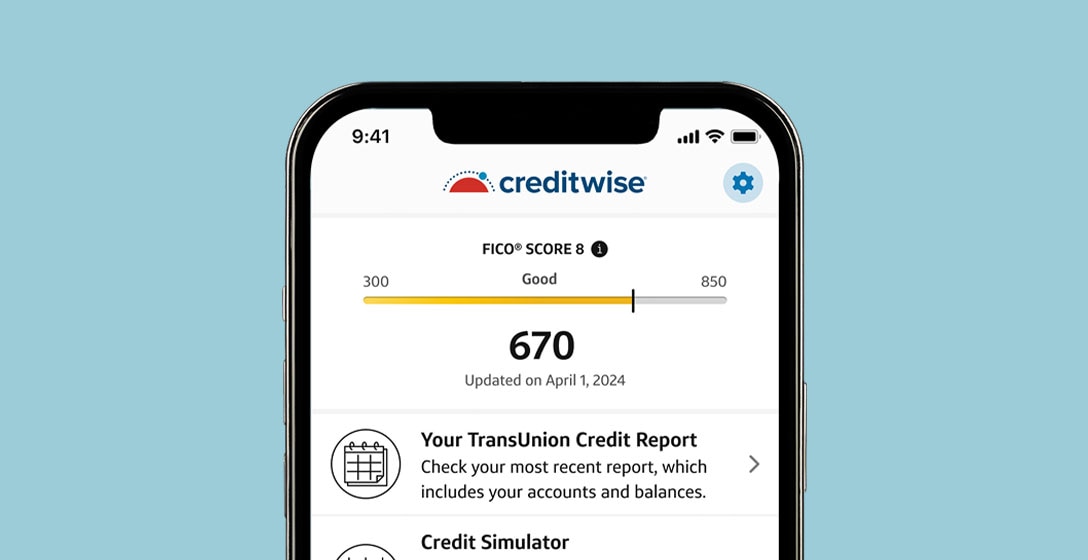
Monitor your credit report and score for free with CreditWise from Capital One. Using CreditWise won’t hurt your credit scores.